How does an Atrium support the child’s imagination and understanding of the complexity found in our world?
And is it the place of the Atrium to provide images and music beyond what might be seen in worship services?
In our ponders around hospitality, we often begin with the question of who’s not in the room. When we analyzed our art and music we discovered that there was quite a bit missing from the room that would visually assist visitors and current families know that we seek to serve all children.
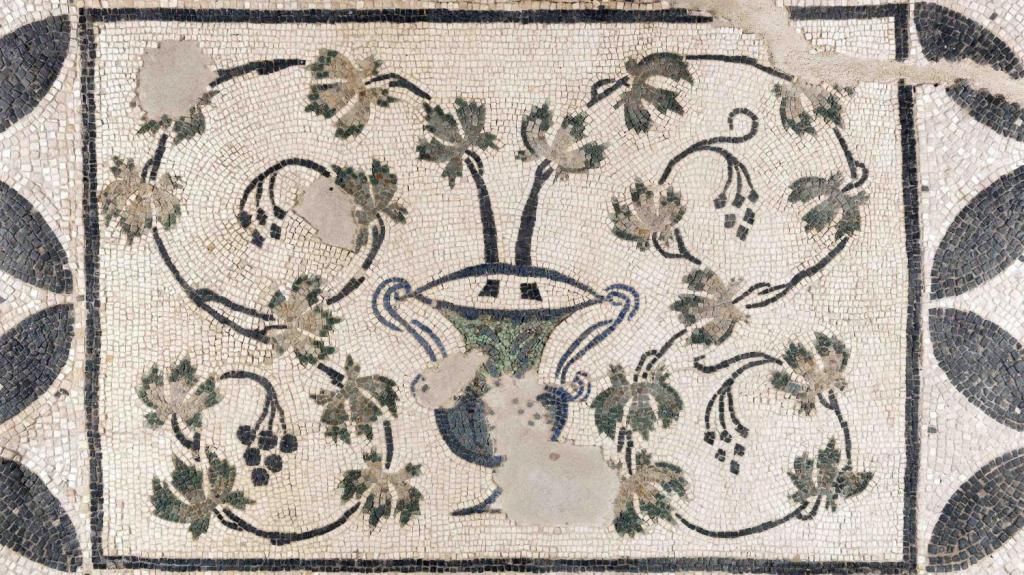
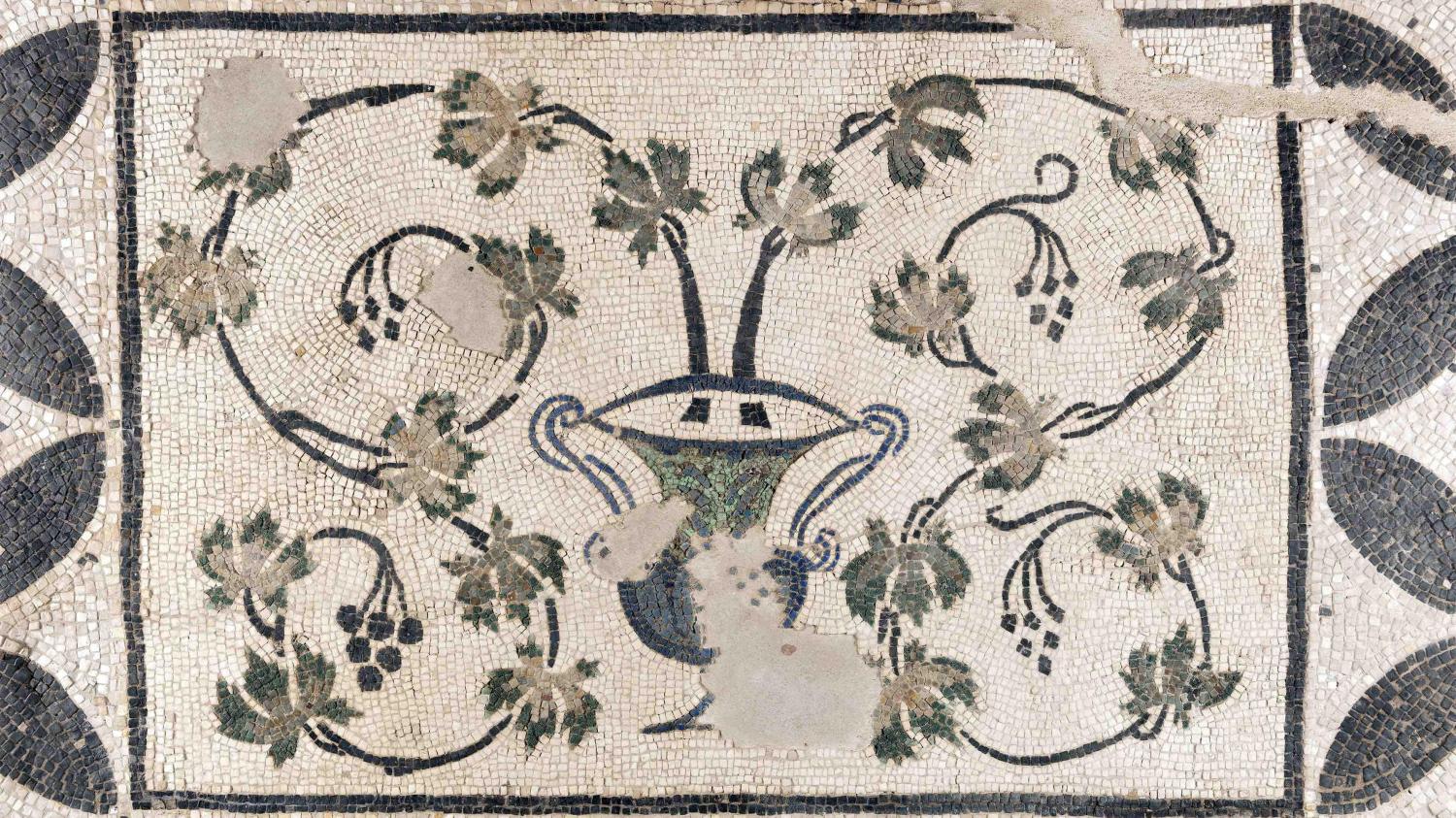
Perhaps in pondering this topic if we picture a mosaic that when all the tiny little tiles are assembled reveals an amazing image of the True Vine. What if there are pieces missing? What if an entire branch is lost? How does a complete image honor the work of the Gospel throughout the world?
Accepting that the direct lessons of the atria are at its core, the supporting role that art and music play in exposing the child to the history and diversity of our faith can’t be overlooked. Children have a capacity to appreciate and emotionally connect with centuries of excellent religious art and music. By surrounding the child with the complex richness of world-wide Christian art and music, we honor the child’s expanding cosmic vision in union with our expansive Christian heritage.
Celebration of Centuries
Christian art has been created for 2000 years. Often in the United States, we center our praise for “church art” on Italian Renaissance paintings and our “church music” on German Baroque music. By being exposed to depictions of the Good Shepherd and the accompanying narratives throughout time, children are allowed a more comprehensive and complete, not to mention, diverse view of Christianity’s evolution.
Diversity of Ethnicity and Culture

For many centuries now, Christianity has existed on every continent. The Apostles themselves took Christianity to many places, and their followers took it even further, all the way to the most remote cultures. Religious art and music flourished wherever the Gospel was preached. We seek to honor the Gift of Redemption by celebrating the cultures who celebrate the Good Shepherd in their contexts.
While many of our local church contexts are mono-cultures or bifurcated cultures (different services in different languages), one of the roles of education is that it seeks provide a broader vista of the world – one which increases wonder and looks for harmonies. The atrium is a place where the catechist provides verbal, kinesthetic, and symbolic nomenclature to encourage the child’s participation in the life of the church. By supporting that with diverse art and music, we can prepare the child for entrance into the breadth of the church universal.
 The Inclusive Atrium