Vision
Creating space for children to come into community to be nurtured by God for themselves.
Hospitable • Kerygmatic • Communal
Staff
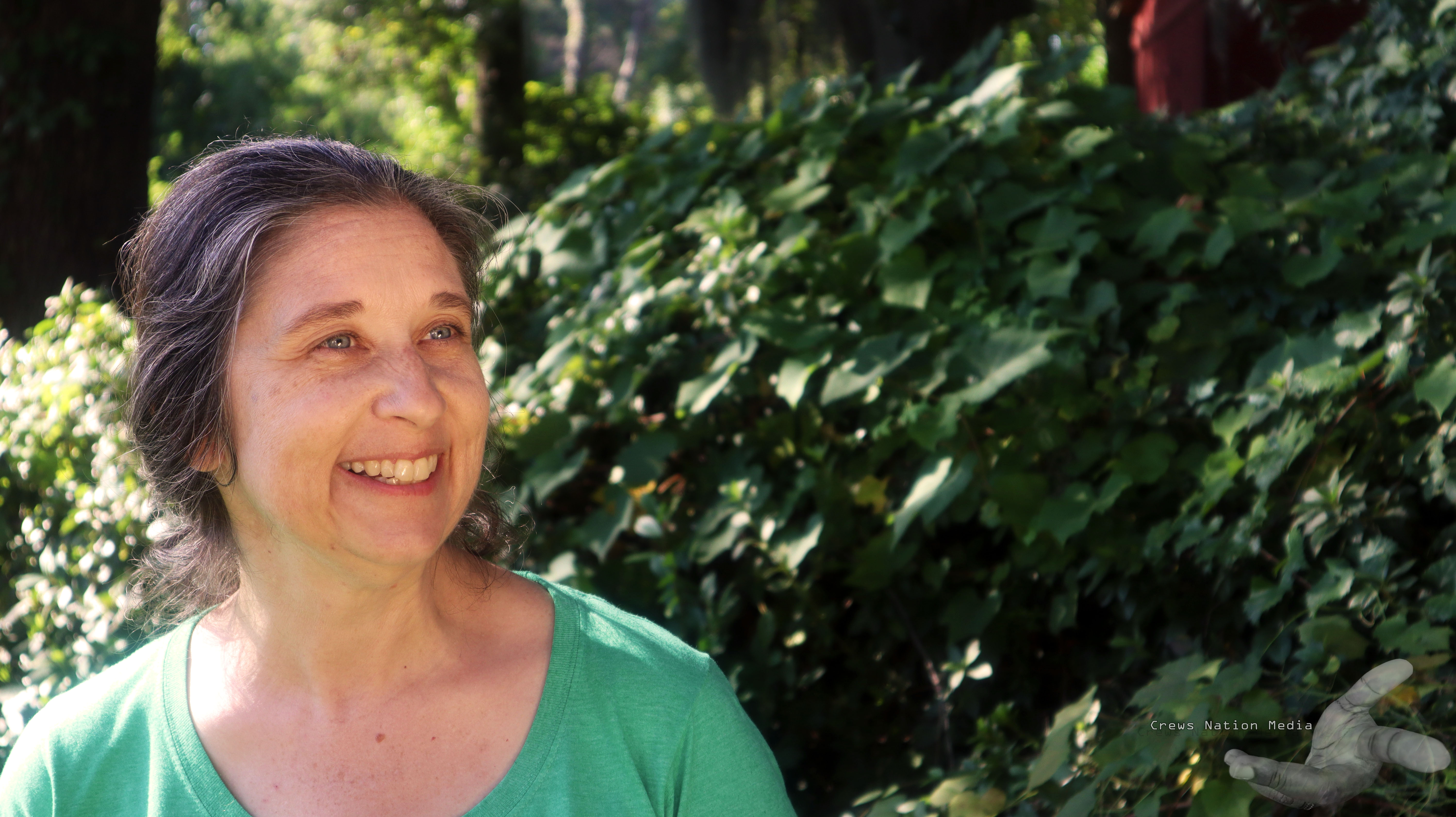
Elizabeth Vice
THEOLOGIAN, CATECHIST, and MONTESSORI EDUCATOR
Elizabeth Vice began her journey as an educator at the feet of her mother who loved learning and sharing what she learned with others. Elizabeth has years of training and education in human development, Montessori pedagogy, and theology. At Parkside, she combines all of these skills to assist the children as they live the reality that they are loved by God; experience a deep connection throughout time by means of the historic church calendar and practices; and are nurtured by the Holy Spirit and community as they find their place in the Kingdom of God.

Lexton Heydrick : 6 TO 9 LEAD GUIDE AND 3-6 CATECHIST
Lex has a natural understanding of the needs of the lower elementary child. He wonders deeply and encourages the children in their conversations with God. He received his 3-6 Catechist certification from CGSUSA in 2024. His commitment to wonder and question is seen through his ponderings in his adult Bible study.

Isabell Hill: 0-3 CATECHIST AND MONTESSORI EDUCATOR
Bella has years of experience working with the youngest children. She radiates the joy found in the presence of joyful children. Her ability to observe the child and guide based on the needs of the child is a wonder to behold. She is training to receiver her Assistance to Infancy Montessori certification (for guiding children 0-3 years of age) to better serve this age group.

Scarlett Gibson: 3-6 CATECHIST
Scarlett has pursued her understanding of the 3-6 child through multiple trainings. She rejoices in the discoveries children make in her room. The children love being with her and her room is full of kindness and joy. She received her CGSUSA 3-6 Certification in 2024 and plans on working to receive her 3-6 Montessori certification in 2025/26.
Dictionary of Terms
Montessori Christian formation does not shy away from “big words.” Often these words were created to house a whole theology or educational philosophy. More than likely, you will encounter terms which may be unfamiliar to you. Sometimes the baggage of our educational paradigms or old churchy words falls away when we use these ancient words. Then we can see our world differently.
Here are some of the “big words” that you may hear.
Atrium – Historically, the porch or courtyard outside the church where classes occurred. Utilized here as a location that, when combined with God, children, and adults, functions with the same purpose as the early church atria.
Catechesis – The process of preparing a person to live fully in the church community.
Catechist – The atrium class is guided by the catechist. Our catechists are specifically trained in human development and spiritual formation.
Sacrament – The real-world symbol of a particular blessing by God (grace) which is transformative and always involve the human touch.
Liturgy – All cultures and people have rituals and traditions, written or not, which are followed with regularity. When rituals are expressed in a churches, they are called liturgies. It can encompass everything from personal prayer to Easter celebrations.
Mystery – Something that has a hidden aspect or meaning. Something that can’t be fully understood.
Pedagogy – The guiding philosophy and core practices of an educational model.
Work – The child is constructing themselves and that requires work. Work is what children do. It is important and requires thoughtful focus. So in a Montessori world, we don’t say, “play.” We want to remind ourselves that what is being done by the child is significant.
Historic Roots of our Pedagogy
There are several approaches to a Montessori-informed Christian formation process. The OG is Catechesis of the Good Shepherd. It is a Christo-centric pedagogy that provides for the developmental needs of the whole child across two planes of development. There are years of training involved in becoming a fully prepared guide across all four levels. Each level of training requires more than 90 hours of classes plus observations and written assignments. It is a rigorous theological and practical training. To be a catechist at Parkside, you must complete this training.
We have a deep respect for its Catholic roots and have made minor modifications to meet the theological and liturgical expressions of Anglican, Episcopalian, Lutheran, Methodist, and Presbyterian churches.
 The Inclusive Atrium