Judy Singer, an Australian sociologist, coined the word “neurodiversity” in 1998 to recognize that everyone’s brain develops in a unique way.
Neurodivergent is a nonmedical term that describes people whose brains develop or work differently for some reason. This means the person has different strengths and struggles from people whose brains develop or work more typically. While some people who are neurodivergent have medical conditions, it also happens to people where a medical condition or diagnosis hasn’t been identified.
Naturally occurring divergence in information processing. Each neurodiverse person’s brain processes information differently – we can make very broad generalizations about categories/diagnoses. No way is better or worse (as with all disabilities) – just different.
Neurodivergent experiences are heavily dictated by other people: stigma, prejudice, discrimination.
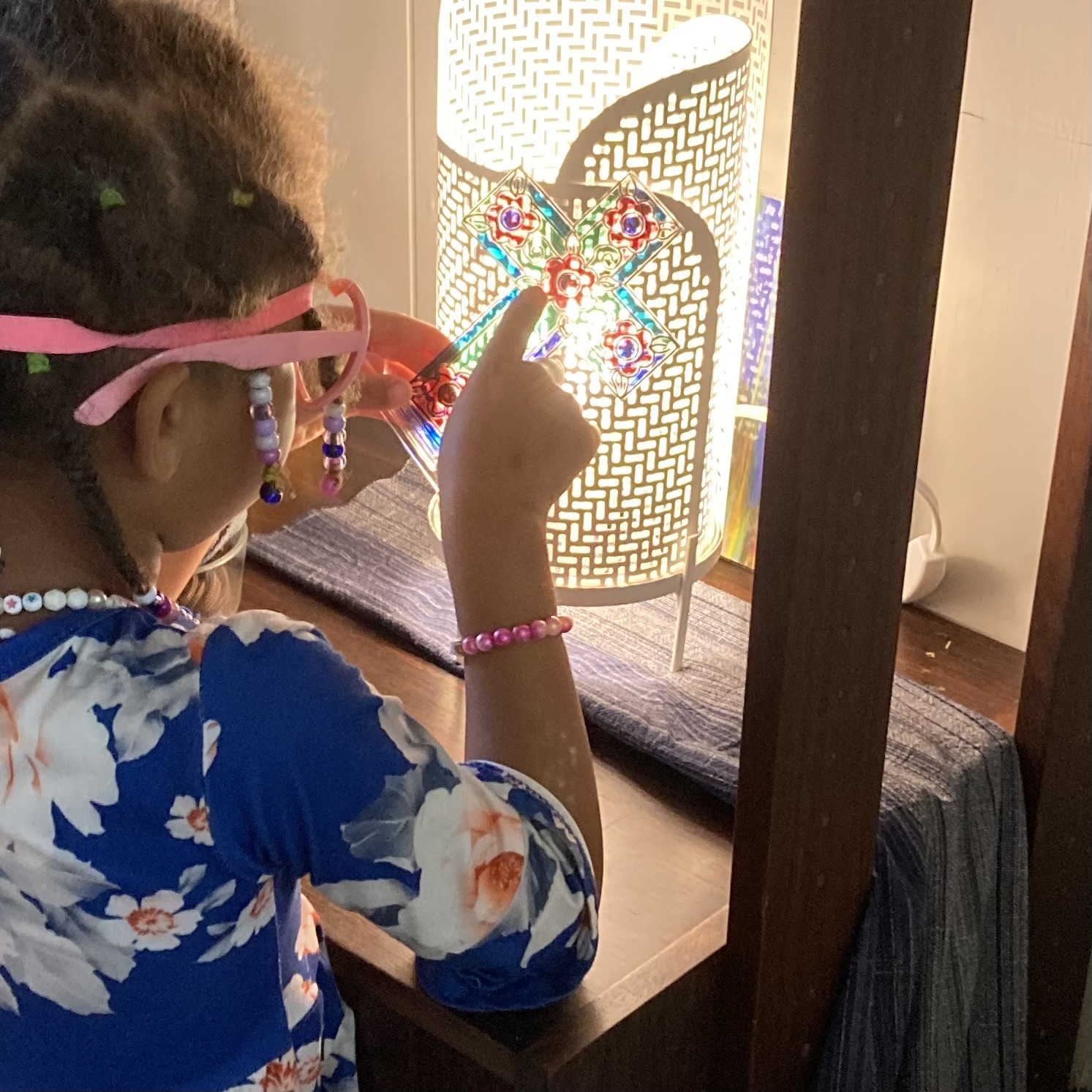
Disability
Some neurodivergent people struggle because of systems or processes that don’t give them a chance to show off their strengths or that create new or more intense challenges for them. This is why they are classified as disabled.
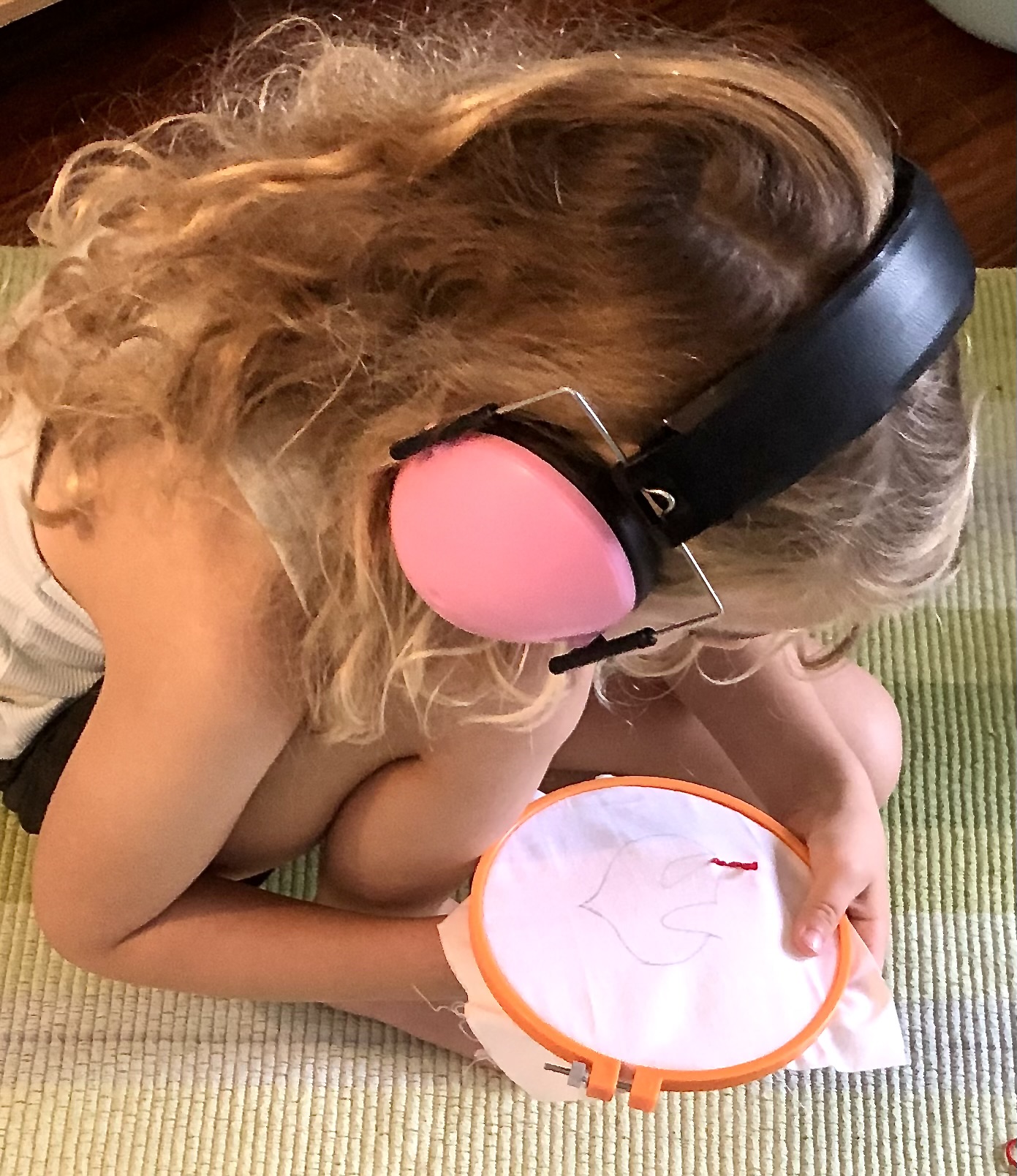
For someone with a disability, an accommodation is a way for the wider society to accept that this person is different or has challenges. Society gives them a tool or a way to succeed. For the people who are neurodivergent, it might look like being allowed to move around a designated area or to use headphones.
Accommodations for people with disabilities isn’t a new idea. Some examples include:
Physical disabilities: Wheelchairs: ramps for stair access and entrances with automatic doors.
Sensory disabilities: Crosswalks are augmented with loud beeps for those who have vision problems to know they may cross.
Note: Churches do not have to meet the Americans with Disabilities Act minimal standards. As you explore disabilities and the church, you will bump into how frustrating their exclusion can be.
Disorder
In science the term disorder is a deviation from the norm. This phrase can be part of the person’s scientific diagnosis (ie: DSM-V). But, when used by people outside of a medical field it is often perceived by a neurodiverse person as a form of “othering” or reminding them they don’t quite belong. Be careful in the way you use scientific diagnosis terms in the church.
Research shows words and language related to neurodiversity make a difference in how people live. People who are neurodivergent and learn that it means they’re different — not sick or defective — are more likely to be happier and have higher aims in life.
Words Matter
If you are referring to a list that is five years old, you are not exercising best practices. Neurodiversity and all forms of disability are constant moving targets. No more so than in previous decades because disabled people are speaking out about how they want to be addressed, what supports work best, and how their disability affects them.
Reddit has an ongoing glossary of terms about neurodiversity.
In an attempt to show empathy, people can make comments that are harmful. Here’s how we can help frame these comments to support self-advocy for children.
What do parents need to hear and what support can you provide to lay the foundations for a strong partnership. This set of responses is a great place to start.
Types of Neurodiversity
Cerebral Palsy
Depression
Developmental language disorders
DiGorge syndrome
Echolalia
Fetal alcohol syndrome
Hyperlexia
Intellectual disabilities
Meares-Irlen syndrome
Multiple sclerosis
OCD
Parkenson’s
Prader-Willi syndrome
Sensory processing disorders
Synesthesia
Tourette’s syndrome
Williams syndrome
 The Inclusive Atrium