
Since I most often wear the hat of an anthropological theologian, I’m particularly struck by the arc of the moral formation of the human being tied fundamentally to their interactions with their physical and social environment. The particular process from the core value formation of the 0-6 year-old to the personal moral formation of the 6-12 year-old to the cultural ethical formation of the 12 to 18 year old is tied in its ability to fully develop their prior sensitive periods’ lessons.
Much of the research and theory in Christian circles focus the child as either a completely blank slate which is moldable, yet desiring evil or as a an evil viper which must be controlled (“One of the reasons that God makes human babies small is so they won’t kill their parents in their sleep. They’re evil.” ~ Voddie Baucham). Both of these place the child at the mercy of the adult to provide enough guidance so that, at some point, they become ready for the moral/spiritual formation which includes the love of God. Prior to this, external discipline (beginning in infancy) and a moral Jesus/Bible narrative (beginning traditionally at age three or four) are promoted.
For years of my Montessori training, I was taught to lump the ethical formation of a person into the moral formation as one process. But, as I’ve been pondering the differences between an elementary and adolescent child, I’ve been reading about the distinct difference between these stages. The elementary child’s focus is on the community of “we” verses the adolescent bend to cultural perspectives and an interest in how a society evolves.
Morals is more of an internal formation, orienting the values absorbed and primed for in the first plane to manifest in the organizing mind of the six to twelve year old.
While the ethical process needs both the internal self’s formation and the external group’s collaboration to fuse into a working ethic, the need of the group to coalesce around a societal problem, discuss, research, format a plan, and then to actively place boots on the ground, so to speak, to combat the recognized injustice.
This is broader than making cookies for the fire department because we realize they collectively are beneficial to society or to create triage situations to provide acts of mercy. This is working to address the upstream issues and triage the downstream results. This is working to prove both compassionate mercy and long-term justice.
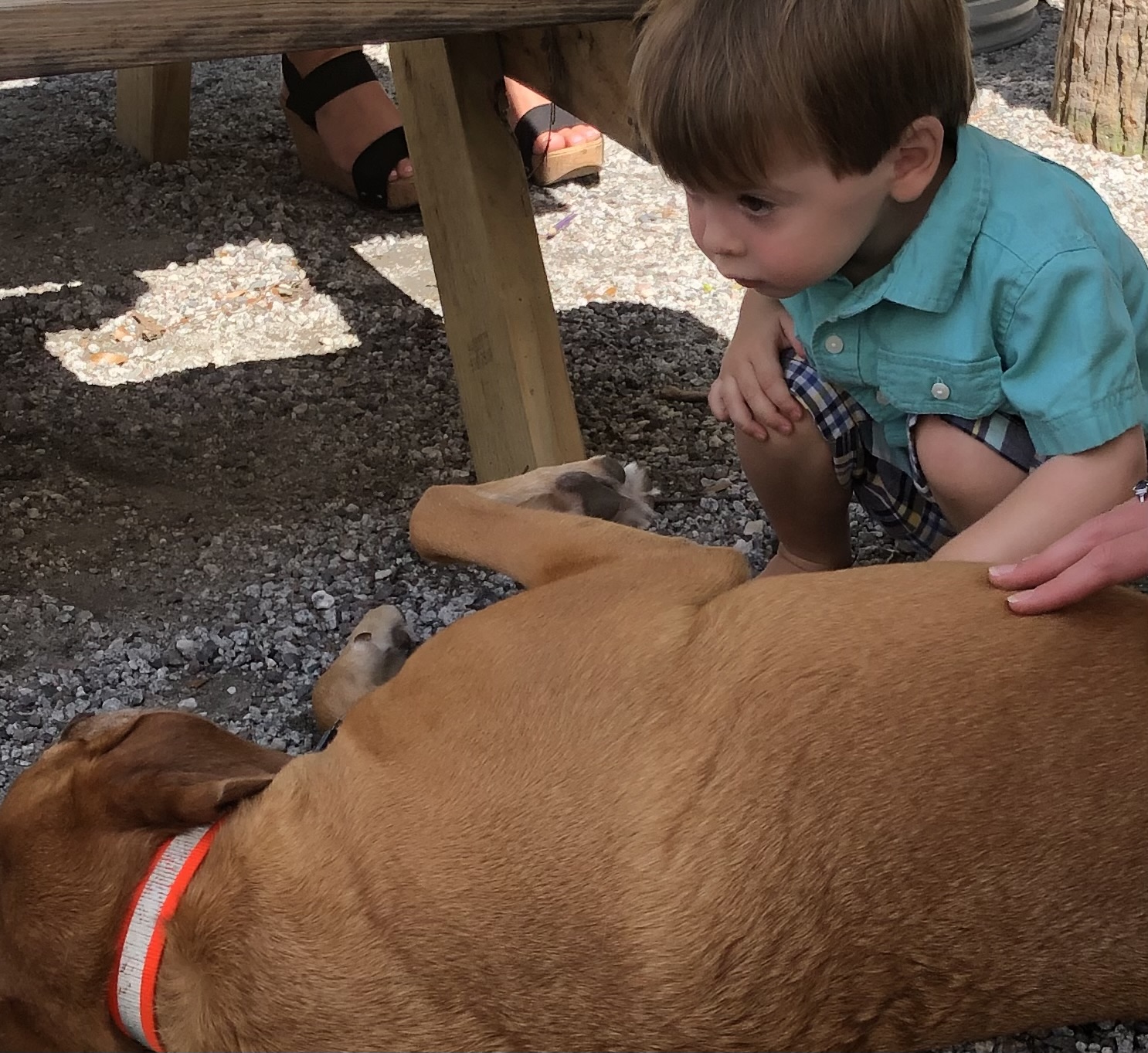
For the pre-moral child who is told to share their toys, the child is the center of the story. Our focus for the first plane (0 to 6) child, the pre-moral child, is to instill core values (we value the small and the overlooked; we value beauty and creativity; we value listening to other’s stories; we value joy and hope) to create confidence, critical processing, concentration, tolerance, and joy preparing them to live in community. When we move to the second plane (6 to 12), the child shifts to being able to imagine and establish themselves beyond their ego. The child sees the value of their individual action within the group. So, sharing toys collaboratively becomes a moral behavior. The child’s focus is on how does this work out. Which rules are really firm. Which rules apply sometimes but not others. How do we know. These are the moral work of the elementary child.
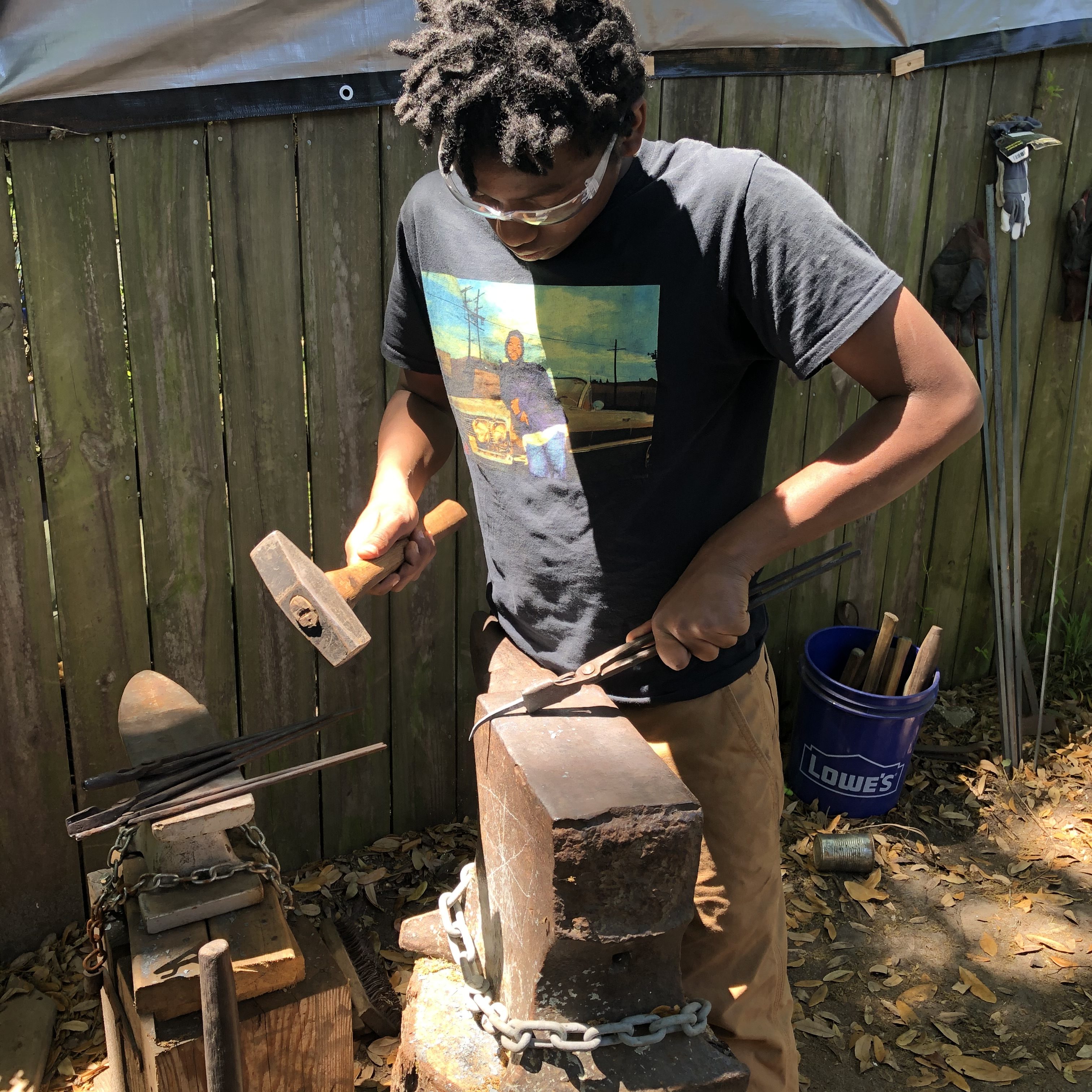
Because ethics requires the child to focus on societies and possess a higher order abstract thinking process, that it takes to the third plane (12 to 18 years) child for this ethical work to be undertaken. The adolescent is saying, how can we take the right we have within our community to shared toys and gift that to other people so they can see it is beneficial to the whole – even if they aren’t in our particular community.
I like Sophia Cavalletti’s idea that:
“This fundamental orientation should already be established by the time the older child begins to ask his first questions in regard to the value of individual actions. . . . Before the older child comes to consider the details of reality, he should first be helped to find a universal key that allows him to approach these details in the right way. Before the older child begins to question himself whether this or that action is good or bad, we should provide him with a “yardstick” with which he can give his own response when the time comes; we should give the child a reference point to orient himself in the new horizon that is opening before him. The yardstick must already be prepared by the time he needs it. The adults hurried intervention in the moment when the moral crisis is already in action is undoubtedly detrimental. The older child will either rebel against an inopportune intrusion, or he will be come accustomed to using someone else’s yardstick; then morality will not be the child’s own listening to the voice of the Spirit, but rather obedience to an external law. Thus the older child – and often the adult as well – will stay on a level of moral immaturity.”
The implications to morals and ethics when the first plane child is absorbing the values (more accurately than we would like to admit) of their caregivers and not being allowed to form their own framework for response, filter, and re-absorption in later planes seems dire. The veneer of morals which the child adopts hides a value system which doesn’t match with the call to love one’s neighbor as one’s self. When it becomes difficult to act from the morals and ethics we proclaim but yet are incompatible with our core value system, we end up acting solely for preservation ourself.